#1 CHOICE IN MOLD ASSESSMENT & ENVIRONMENTAL TESTING
We treat your home or business as if it was our own.
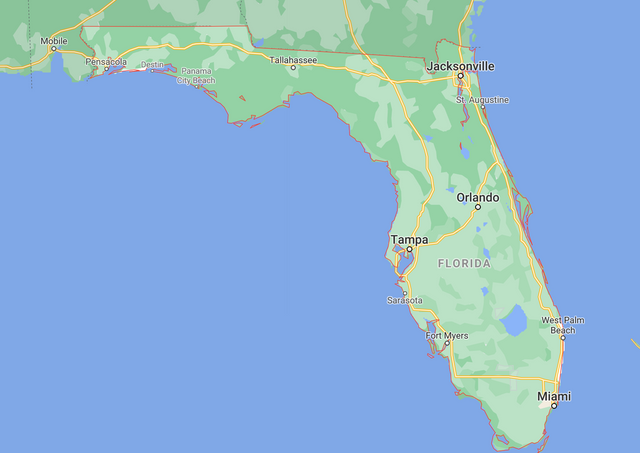
Spanos Environmental, a NORMI Certified Mold Inspector (CMI), Assessor (CMA) and Remediator (CMR), provides mold testing and removal services for residences and businesses in the Sarasota, Florida area. We are thoroughly trained to evaluate and treat your home or business for all types of mold and warranty all of our work.
Mold & Allergen Testing
ROACH
POLLEN
DUST MITES
MOLDS
RODENTS
VIRUS
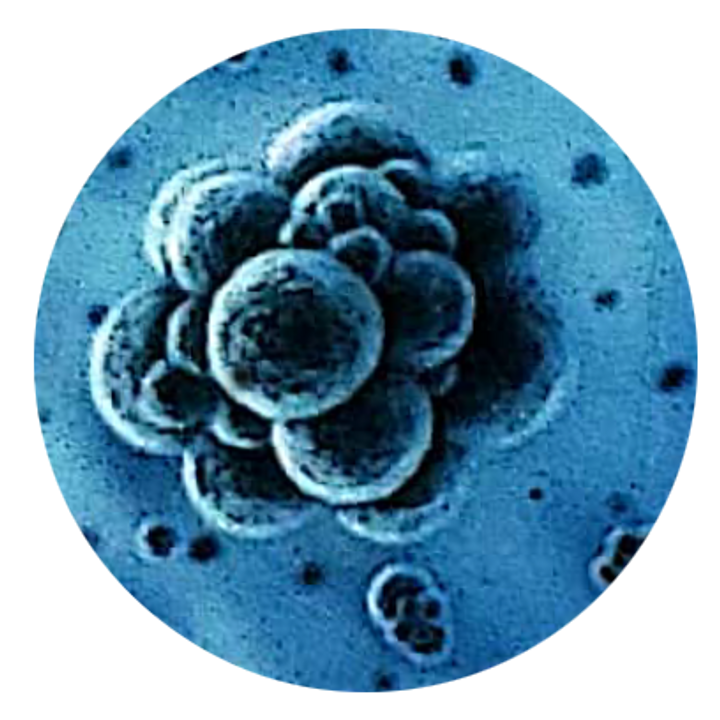
VOC's
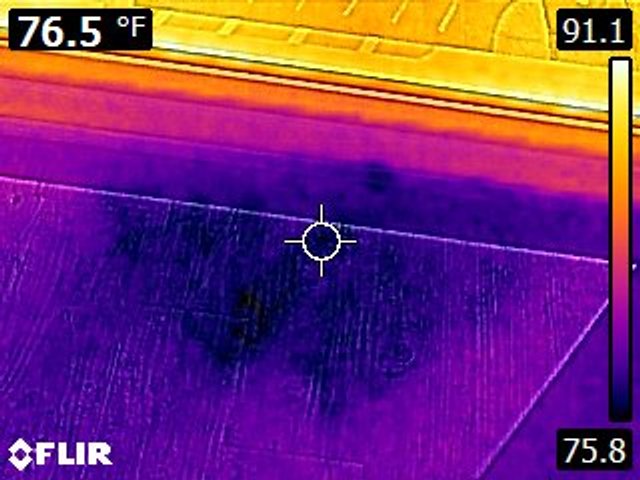
Spanos Environmental offers three levels of mold testing services. After reading through our services, please feel free to call us if you aren’t sure which one is right for you
Mold Assessments
Mold Assessments are frequently ordered by homeowners who know or suspect the presence of mold. It will detect the presence of any microbial problem in readily accessible areas of the property by following prescribed mold testing protocols.
Our mold assessment service includes but is not limited to Air Samples, Tape Lift Samples, Swab Samples, and/or Bulk Samples.
Environmental Mold And Mycotoxin Assessment (EMMA)
This Environmental Mold and Mycotoxin Assessment uses sensitive molecular detection technology to look for the presence of 10 of the most toxigenic molds AND 15 of the most poisonous mycotoxins. It determines their presence and determines their relative abundance. EMMA also tests directly for 15 of the most poisonous Mycotoxins using its patented Mycotoxin detection test.
Environmental Relative Moldiness Index testing (ERMI testing)
Mold Testing in Homes Utilizing Advanced DNA Testing Techniques. Spanos Environmental provides the EPA’s ERMI testing methodology to help protect families from the hazards of exposure to elevated levels of fungi. Exposure to elevated levels of mold can trigger asthma episodes in sensitive individuals, allergic reactions, and even cause fungal infections in people with compromised immune systems.
Social Links
We Look Forward To Serving You
Give us a call or fill out the form, we will get your appointment scheduled quickly and efficiently.
4501 Manatee Ave W, PMB #184, Bradenton, FL 34209
Phone:
(941) 256-0626